Pari
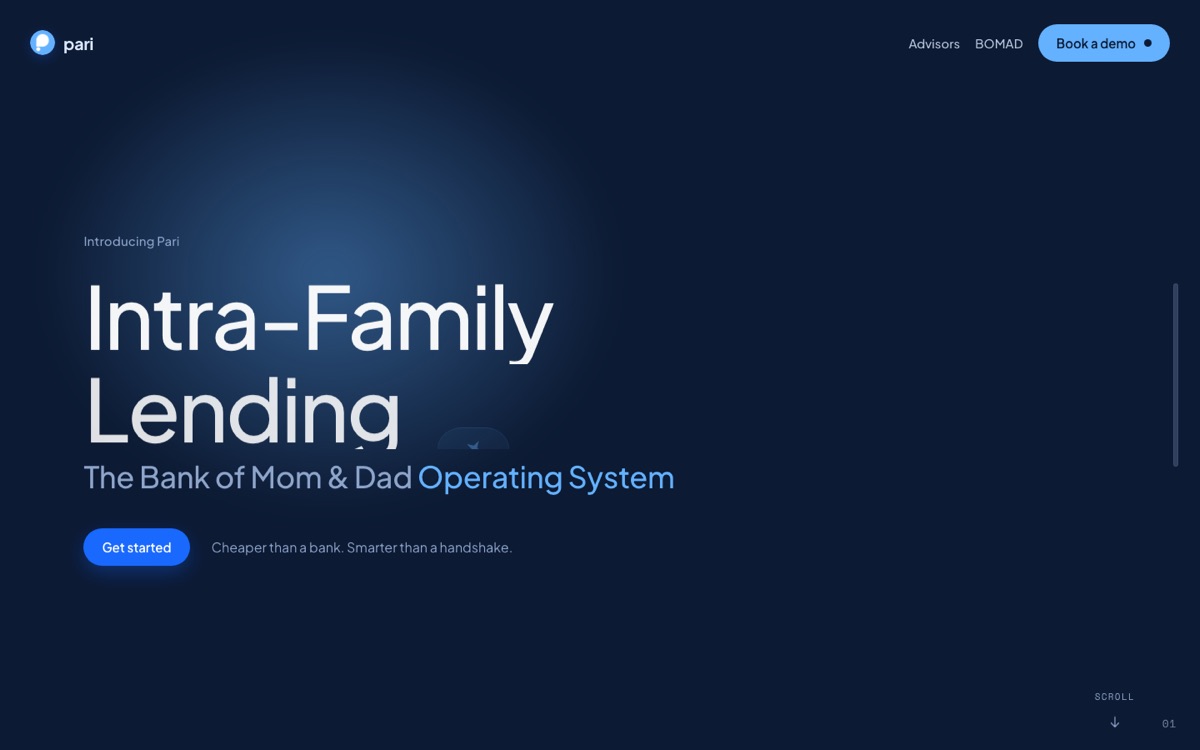
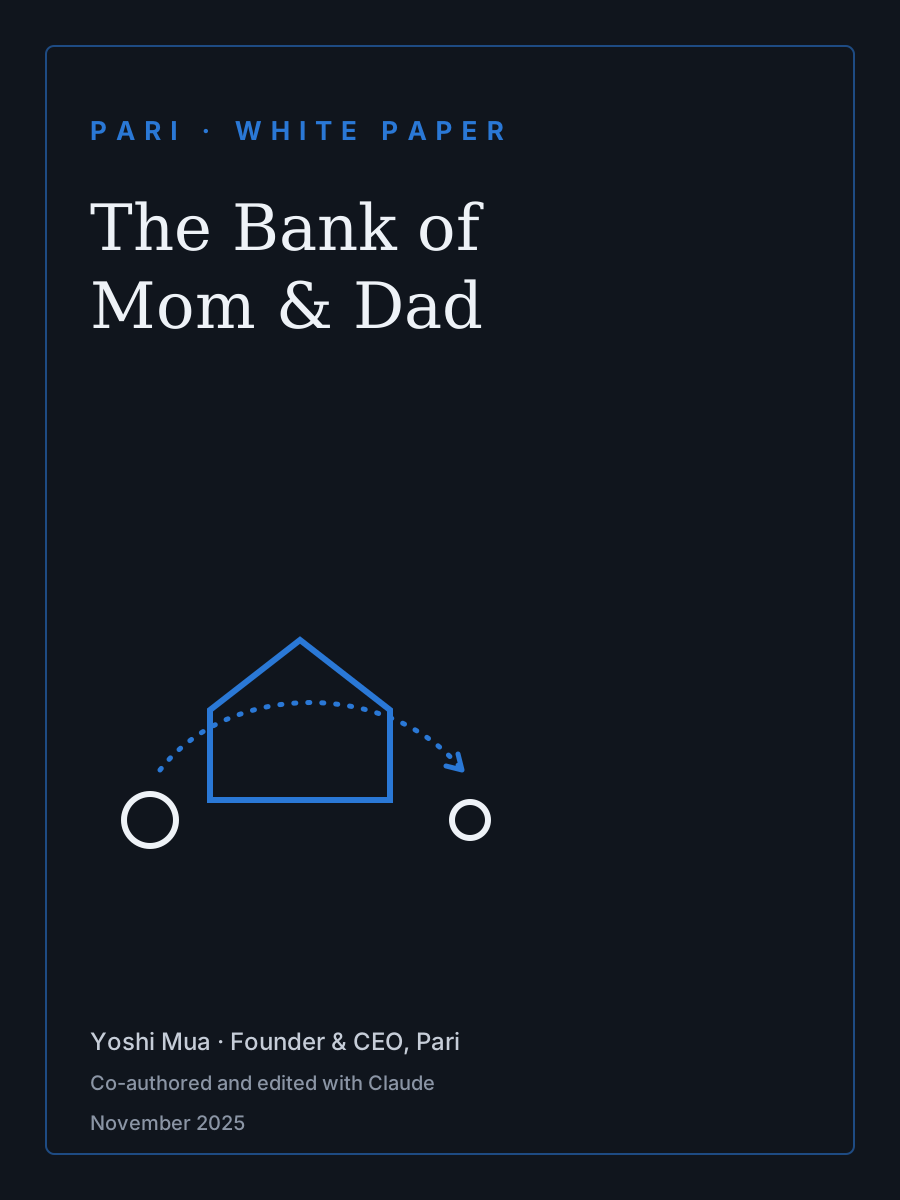
The operating system for the Bank of Mom and Dad. Pari turns informal loans between relatives into documented, tax-compliant agreements, automating payments and protecting the relationships behind the money.
Y·M

Yoshi Mua · First-Generation American
Currently building Pari, the operating system for the Bank of Mom and Dad. Before that: a decade of shipped products, business lead on a SpaceX Hyperloop finalist team, four years in U.S. Army air defense, and a family that fought a war most people have never heard of.
The operating system for the Bank of Mom and Dad. Pari turns informal loans between relatives into documented, tax-compliant agreements, automating payments and protecting the relationships behind the money.

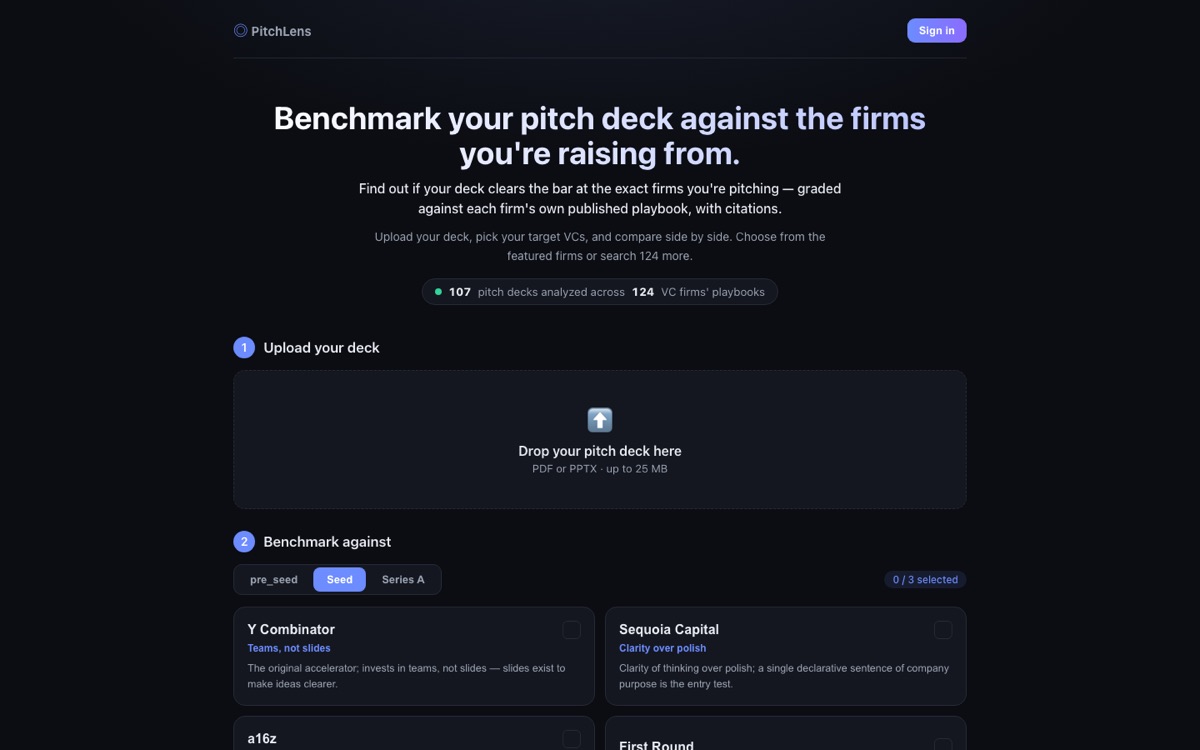
Benchmark your pitch deck against the firms you're raising from.

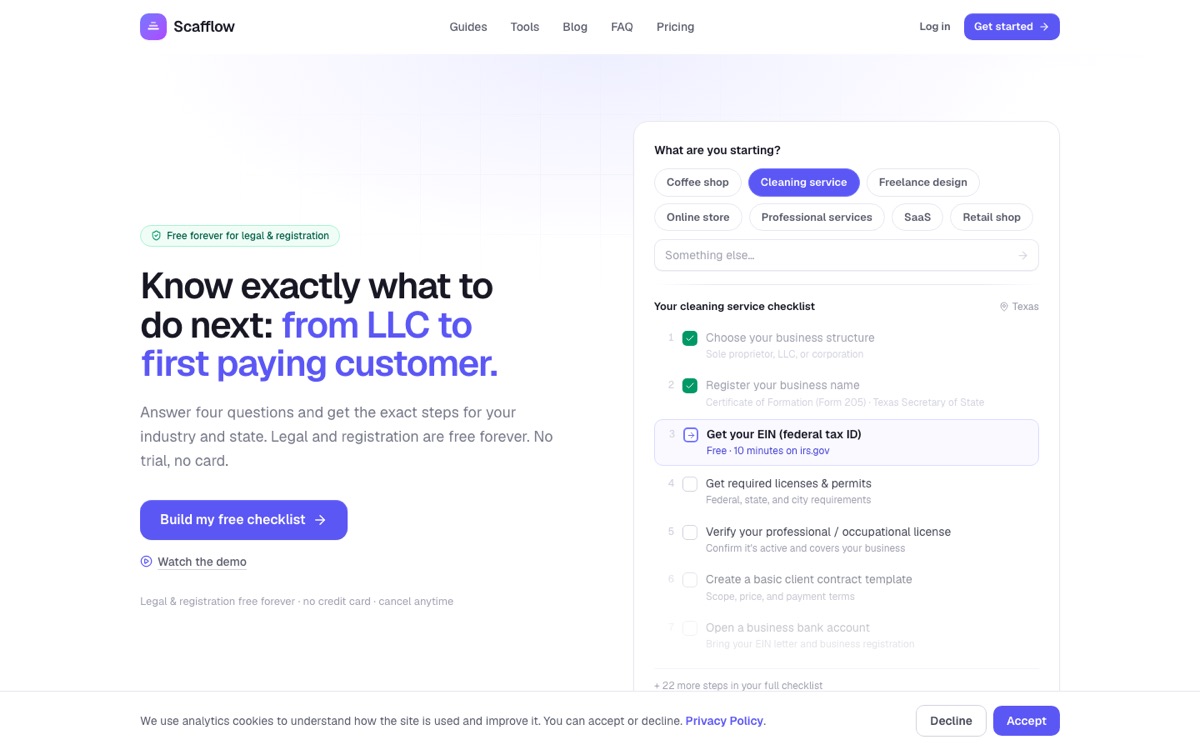
Step-by-step launch platform walking first-time founders from idea to first customer.

Verified deep-work sessions, tracking real concentration instead of elapsed time.
Ed-tech AI app: students chatted with an AI named Leon to prep for exams and join study groups, years before "AI tutor" was a category. StudyTree placed 1st in Microsoft's Imagine Cup 2015. Part of the founding team out of Drexel that carried it through the DreamIt Ventures accelerator.
SpaceX Hyperloop finalist team: 7th overall at Design Weekend and SpaceX's top air-bearing team.
Creative branding & marketing agency for specialty finance companies. Seven years consulting private wealth management firms. Still actively serving clients today: I build things that last.
Four years on active duty, 2010 to 2014. Air Defense Artillery, Patriot Missile Operator: the soldiers who shield entire cities while they sleep.
Non-commissioned officer. Squad leader. Patriot missile system operator. Served with distinction at Fort Hood, in Kuwait, and in the Republic of Korea.
Patriot is Raytheon's flagship air and missile defense system: a network of radar, command stations, and interceptors that knocks ballistic missiles, cruise missiles, and aircraft out of the sky. It guards capitals, bases, and critical infrastructure for the U.S. and allied nations around the world.
Soldiers are screened, schooled, and certified before they ever touch it. As a Patriot missile system operator, I was entrusted with a billion-dollar weapon system, and with the soldiers who ran it, before I could legally rent a car.
B.A. Entrepreneurship from one of the first freestanding schools in the country devoted entirely to starting things.
drexel.edu/close ↗Incubator resident. A desk, mentors, and a place to ship from.
drexel.edu/baiada ↗StudyTree, 1st place at Microsoft's Imagine Cup 2015, was selected for one of the country's longest-running startup accelerators.
dreamit.com ↗Led the business team for Drexel's entry in the SpaceX Hyperloop Pod Competition. Out of 1,700+ teams that entered, Drexel placed 7th overall at SpaceX's Design Weekend, was recognized by SpaceX as the top team using air bearings for levitation, and was one of 31 teams selected to build a pod for the final competition.
Ran sponsorship, fundraising, budgeting and outreach for a ~70-student team, and co-wrote the proposal that asked the question most pod teams skipped: where should the first real line run, and who pays for it?
NEC proposal · 25 pp · PDF
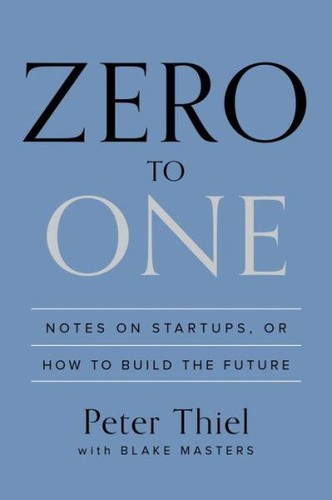
Seven centuries of family credit, and what happens when the oldest lender finally gets rails.
Why peer-to-peer lending failed, and what intra-family credit gets structurally right.
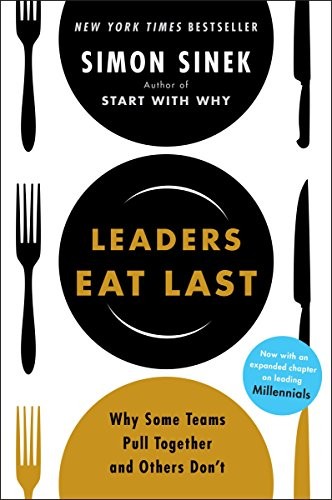
Why crypto solved the wrong layer, and why the family balance sheet is the real unit of decentralization.
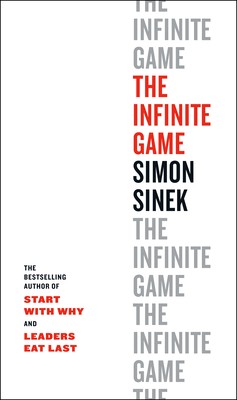
Why private capital is the last great underutilized asset class, and why unlocking it costs a fraction of what Airbnb and Uber paid.
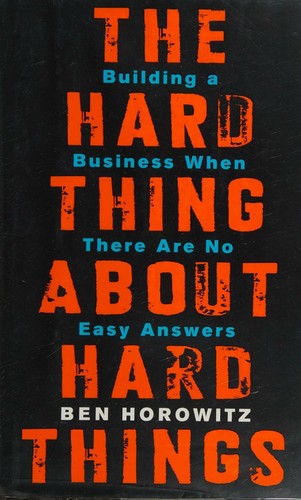
Why “launch fast and iterate” is frontier advice, and what replaces it in a market with a graveyard.

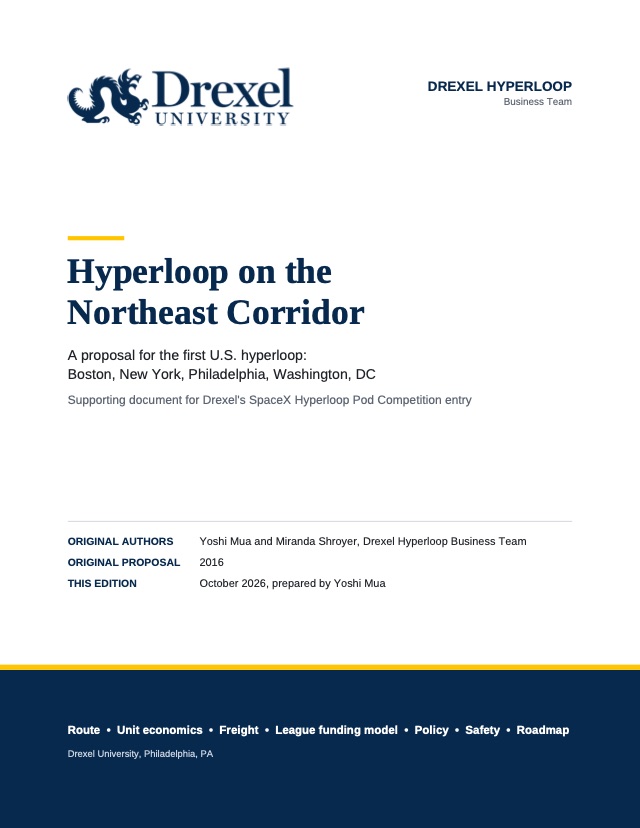
Where the first U.S. hyperloop should run, and who pays for the tube. Written for Drexel's SpaceX Hyperloop Pod Competition entry.
My grandfather was a Hmong clan leader, regional governor, and a commander in the CIA's covert war in Laos[1], the largest paramilitary operation in the agency's history. Tens of thousands of Hmong fought the spread of communism under leaders like him.[2]
I come from a long line of blue-blooded tribal leaders among the Hmong. An estimated 100,000 Hmong died in that war and its aftermath: the allies America left behind when the helicopters lifted off in 1975.[1]
After the fall, Hmong who had fought alongside America were hunted in the jungles of Laos for decades. Amnesty International documented massacres of unarmed Hmong women and children as late as 2006.[3]
In June 2003 my father, a pastor from St. Paul, Minnesota, was arrested in Laos while serving as interpreter for two European journalists documenting the Hmong in hiding.[6]
Convicted in a one-day trial without legal representation and sentenced to 15 years.[7] At one point, my family was told he was dead.
Months of political pressure from three governments, the U.S., France, and Belgium, brought him home.[6] His arrest helped put the Hmong crisis on the world's front pages.[8]
Since then he has planted over 30 churches, saving more than 5,000 Hmong across the region, and kept exposing what others wanted forgotten. I watched a man risk everything for something he couldn't touch, couldn't sell, and couldn't quit.
I'm a pastor's kid. Most of us end up one of two ways: running from the pulpit, or following our fathers into it.
I took the rare third path: kept the conviction and aimed it at markets. Same missionary engine, different mission field. Here's what that looks like in practice.
Tribal leaders for generations before me, an Army squad leader after. Leading is the family trade.
Raised in the pulpit. Sharpened in pitch rooms and private wealth boardrooms.
Uncompromising, by upbringing. The proof is boring and rare: clients who have stayed seven years and counting.
Missionary grade: the kind you're willing to die for. Tested in my family for three generations.
First-generation American, from a family that arrived from a war with nothing chasing the American entrepreneurial dream.
Most Hyperloop teams designed a pod. Ours asked where the first line should run and who pays for the tube. Pari starts from the same two questions.